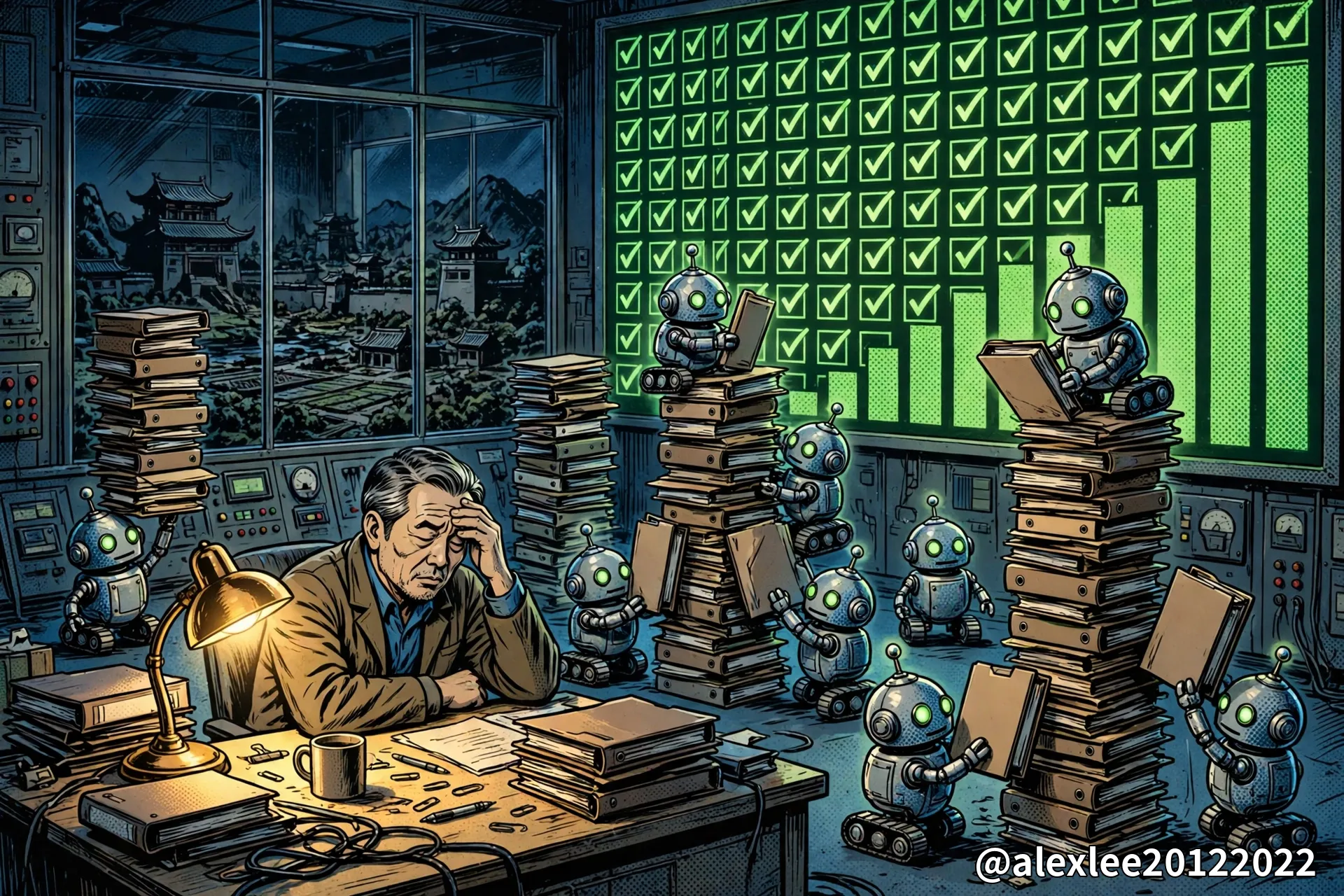
This side of the river is the old world. The other side is AI. I want to ferry us all across.
RSS FeedFull-stack developer for 24+ years. I formerly led a 400-person engineering team, and I'm still a core maintainer of several large open-source projects. Everything here is something I've actually built, run, or broken: AI engineering practice, open-source dynamics, infrastructure, and security.
中文读者请进 简体中文版 ——每篇文章都有中英双版。
Featured
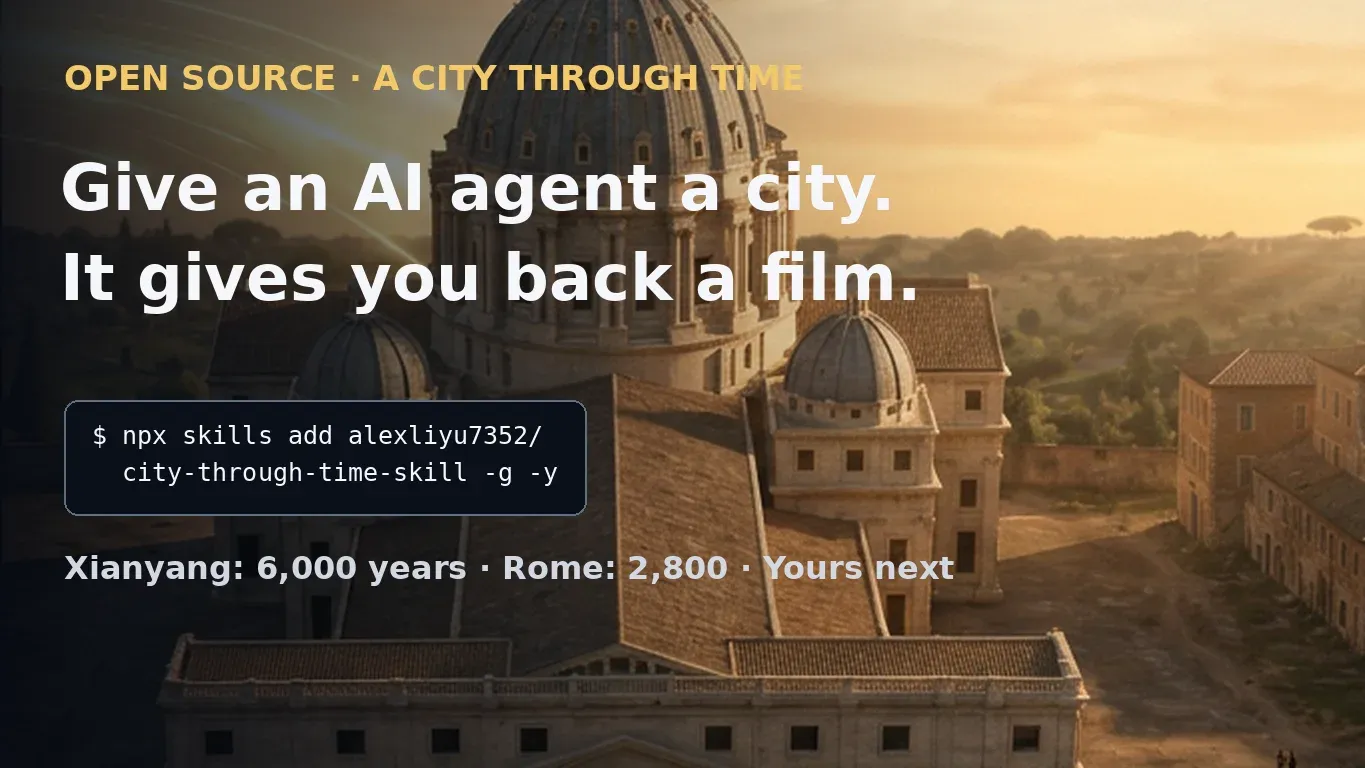
Give an AI agent a city. It gives you back a film. | A City Through Time
Give a coding agent a city and a starting era. It researches the sources, pulls building and map data, builds the whole city as a white model, and lights it up era by era, from the earliest settlement to today. What comes back is a film, an old city you can walk through, and museum pages for its buildings. Two cities are lit so far: Xianyang, 6,000 years, and Rome, 2,800.
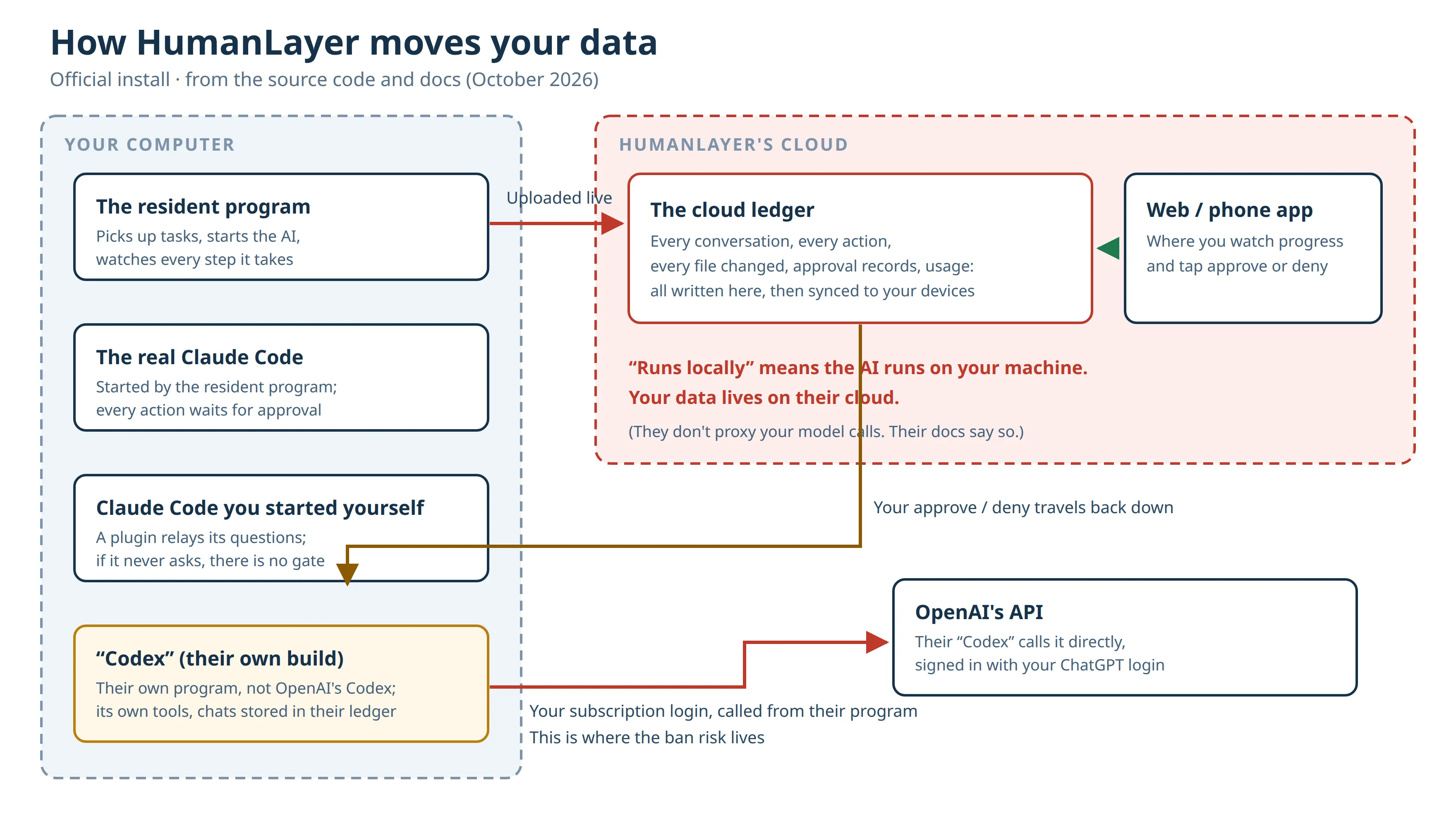
I tore down HumanLayer's source code: it leashes your coding agent, but sessions move to its cloud
HumanLayer open-sourced its approval layer for coding agents. I read the source: the engineering is real, but there is a simpler path using the CLIs' own built-in doors.
Recent Posts
Two Months Building a Game With a Team of Agents: 6,050 Commits, 800K Lines, Then I Scrapped It
I spent two months building a Han-dynasty game with a team of AI agents: 6,050 commits on the main branch and roughly 800,000 lines of code, with the tests passing the whole time, while the game kept drifting further from playable until I scrapped it and started over. The failure was not the models. It was how I ran the team: no milestones, no stage-by-stage inspection of my own, and no visibility into how the agents talked to each other.
Claude draws the line on Nov 12: where you sit matters less than who owns your company
Anthropic's Supported Regions Policy takes effect on November 12. Any country or region not on the list is unsupported, and the policy runs three tests: where the person sits, where the company is registered, and who holds a majority stake. Passing the first test is not enough, because a Hong Kong registration or a majority mainland-Chinese stake still puts a company out, and a UnionPay logo on the checkout page only means payment can be taken.
You can open a shop in ChatGPT now: claim your store, and an agent answers customers for you
On November 10, OpenAI launched Businesses in ChatGPT, still in beta: a business claims its store, edits its information, and adds a product feed with prices and stock status, and a Business Agent answers customers for it right in the chat box. The business gets a storefront and aggregated insights, but not the customer's own words from conversations with the agent, and it can pay to sponsor its Business Agent as an ad landing point. Before claiming, work through three accounts: whether the storefront survives if the feed stops, who owns the conversation data, and how many display positions natural answers keep once sponsored placements appear.
Google sent my friend's US VPS IP to China. I pulled it back in 3 days
A friend's US VPS in Fremont, California was judged by Google to be in mainland China, so Gemini, YouTube Premium, and Google Play all treated it as a China IP. I split the Google module out of hotyue/IP-Sentinel, rewrote it as ip-reanchor, and fed the region profile back with target-region traffic signals: one cron round every 20 minutes, all three probes reading CN on November 7 and all three back to US on November 10, about 3 days. When the whole subnet is judged wrong, the IP cannot be pulled back and has to be replaced.
Meta's new Muse Ember costs $0.14 per task, while Haiku 5.5 costs $0.41
Meta released Muse Ember on November 9. It shares Haiku 5.5's per-token price list ($0.10 input and $0.50 output per million tokens), yet Artificial Analysis measured $0.14 per finished task for Ember against $0.41 for Haiku 5.5, because Ember writes about a third as many output tokens per task and its cached input is about 60% cheaper. The catch: a single request over 200,000 input tokens bills the whole order at 3 times the price. Judge a model by what one finished task costs, not by the price list.
Fable 5.2 scored 49.1% at coding, but Anthropic itself held back its GPU kernel-writing skill
Anthropic released Claude Fable 5.2 and Mythos 5.2 on November 9, two names for the same model. Fable 5.2 scored 49.1% on FrontierCode 2.0 and costs 20% less, but classifiers inside it block high-risk cybersecurity and most research-biology requests and hand them to older models — and in training, Anthropic deliberately held accelerator kernel optimization and language model architecture to roughly Opus 5.5's level. The fallback meant to prevent abuse hands requests to an older model that injection breaks into more easily: 2.05% when Fable 5.2 answers itself, 5.17% when Opus 4.8 answers instead.